
Compare Online HRT Providers for Menopause & Women's Hormone Health
Independent rankings of telehealth hormone therapy for women - menopause and perimenopause HRT, thyroid care, fertility hormones, and at-home hormone testing. Start with your symptom.
13
Symptom Guides
5
Treatments
9
Providers
100%
Free
Start Here
Find the Right HRT for Your Symptom
Every menopause symptom has its own hormonal driver - and its own best-suited providers. Each guide explains the cause, what treatment realistically achieves, and who ranks highest for it.
Treatment Categories
Explore Hormone Therapies for Women
Start with an at-home hormone test, or compare the three main ways estrogen is taken - cream, tablets, and patches.

Hormone Testing
At-home hormone test kits with physician-reviewed results.

Cream
Estradiol applied to the skin daily - flexible dosing, no adhesive.
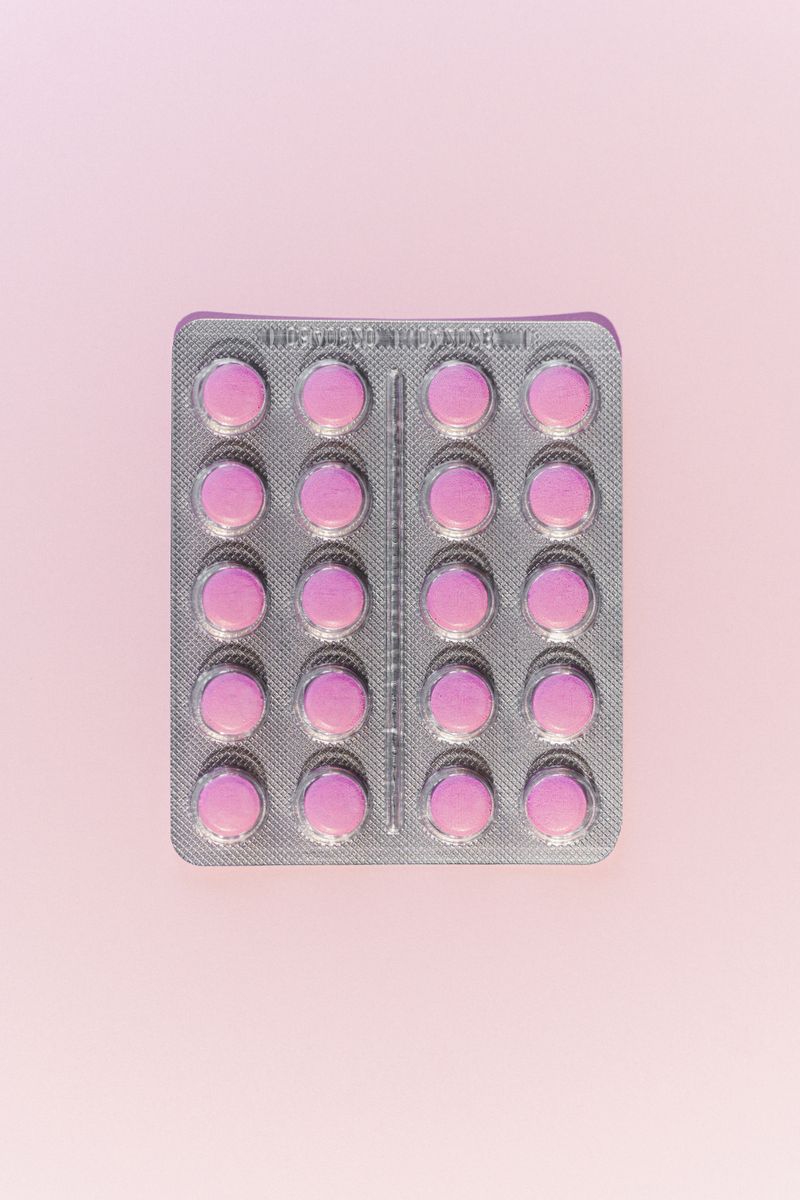
Tablets
A once-daily estradiol pill - familiar and usually the least expensive.

Patches
Steady estradiol through the skin, changed once or twice a week.
Provider Directory
Top Menopause HRT Providers
Transparent comparisons with real pricing, features, and ratings - see the full ranking in our Best HRT of 2026 guide.





Cost Calculator
What Will HRT Cost You?
Pick a provider to load the prices shown through our partner links, or enter your own. See what you pay at sign-up, in your first 90 days, your first year, and every month after - with unknown costs clearly marked.
Full cost guideChoosing a provider fills in their published prices. You can edit any number.
Your estimate
Choose a provider or enter at least one cost.
Estimates only, not a quote. Provider prices change, and your clinician may prescribe something different from what you assume here. Nothing you type is sent anywhere - the calculator runs in your browser.
Not sure what your insurance covers? Ask us to check your benefits.
Why HRT.so
Built on Trust & Transparency
We maintain the highest standards for content quality and provider evaluation.
Evidence-Based
Clinical data reviewed
Updated 2026
Current information
Transparent
Clear methodology
Independent
No pharma sponsors
Private & Secure
No data sold
Vetted Providers
9 reviewed
The Evidence
Understanding Menopause & Hormone Therapy
Hormone replacement therapy is one of the most studied treatments in women's health. Here is what the evidence from leading medical organizations actually shows - with sources you can check.
The most effective symptom relief
HRT replenishes the estrogen and, when needed, progesterone that decline during menopause, and remains the most effective treatment for hot flashes and night sweats.[1][2]
Benefits outweigh risks for most
For healthy women who begin before age 60 or within 10 years of their last period, major guidelines agree the benefits generally outweigh the risks.[1][5]
The WHI scare was overstated
Later analysis of the 2002 Women's Health Initiative found no increase in all-cause mortality over 18 years of follow-up - the early headlines caused decades of unnecessary fear.[3][4]
Protects your bones
Systemic estrogen preserves bone density and reduces the risk of osteoporotic fractures - one of the most consistent long-term benefits in the research.[1][6]
Relief for vaginal & urinary symptoms
Low-dose vaginal estrogen effectively treats the dryness, irritation, and urinary symptoms of menopause with minimal absorption into the rest of the body.[9]
Bioidentical isn't unregulated
Many bioidentical hormones are FDA-approved and well studied. Custom-compounded versions are not individually FDA-approved, so clinician oversight matters.[10]
References
Homepage claims about menopause and hormone therapy are drawn from the following sources from recognized medical organizations and peer-reviewed research.
- 1.The Menopause Society (formerly NAMS). The 2022 Hormone Therapy Position Statement of The North American Menopause Society. Menopause. 2022;29(7):767-794.
- 2.American College of Obstetricians and Gynecologists (ACOG). Hormone Therapy for Menopause - Frequently Asked Questions. ACOG Women’s Health Resources.
- 3.Rossouw JE, Anderson GL, Prentice RL, et al.. Risks and Benefits of Estrogen Plus Progestin in Healthy Postmenopausal Women (Women’s Health Initiative). JAMA. 2002;288(3):321-333.
- 4.Manson JE, Aragaki AK, Rossouw JE, et al.. Menopausal Hormone Therapy and Long-term All-Cause and Cause-Specific Mortality: The Women’s Health Initiative Randomized Trials. JAMA. 2017;318(10):927-938.
- 5.National Institute for Health and Care Excellence (NICE). Menopause: Identification and Management (NICE Guideline NG23). NICE. Updated 2024.
- 6.Marjoribanks J, Farquhar C, Roberts H, et al.. Long-term Hormone Therapy for Perimenopausal and Postmenopausal Women. Cochrane Database Syst Rev. 2017;1:CD004143.
- 7.National Institute on Aging (NIH). Hormones and Menopause. U.S. National Institutes of Health.
- 8.Mayo Clinic Staff. Hormone Therapy: Is It Right for You?. Mayo Clinic.
- 9.The Menopause Society. The 2020 Genitourinary Syndrome of Menopause Position Statement of The North American Menopause Society. Menopause. 2020;27(9):976-992.
- 10.U.S. Food and Drug Administration (FDA). Compounding and the FDA: Questions and Answers. FDA.
HRT.so is an independent educational resource and is not affiliated with the organizations cited above. Links are provided for verification and further reading. This content is not medical advice - always consult a qualified healthcare provider.
Symptom Guide
Recognize the Signs
Hormonal changes can affect every part of your life. See the signs each option is often used for.
- Irregular or missing periods
- Unexplained fatigue and low energy
- Mood swings and anxiety
- Low libido
- Hot flashes and night sweats
- Skin reacts to patch adhesive
- Want to fine-tune your dose
- Vaginal dryness (vaginal cream)
- Hot flashes and night sweats
- Sleep disruption and mood changes
- Prefer a simple daily pill
- Want low-cost, insurance-covered care
- Hot flashes and night sweats
- Concern about blood clot risk
- Want steady hormone levels
- Prefer not to take a daily pill
Knowledge Base
Latest Articles
Expert-reviewed guides on hormone therapy for women.
FAQ
Frequently Asked Questions
Common questions about hormone replacement therapy for women.
What is hormone replacement therapy?
Is HRT safe?
How do I know if I need hormone therapy?
How long does it take to see results from HRT?
Can I get HRT through telehealth?
What does HRT.so do?
How much does online HRT for women cost?
Ready to Start Your Hormone Journey?
Explore treatments, compare providers, and take the first step toward better hormone health.